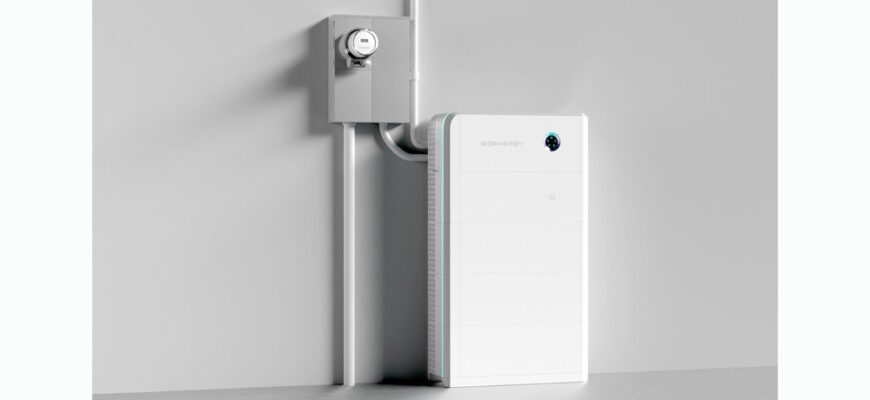
The phrase “battery backup” sounds tidy. Real homes are not tidy. A heat pump starts, a refrigerator cycles, someone plugs in a kettle, and suddenly the backup system has to make fast decisions. That is why the transfer switch can matter as much as the inverter type.
Microinverters do not replace backup switching
Microinverters are small inverters attached at the panel level. They can be useful for panel-level monitoring, complex roofs, and shade tolerance. But they do not eliminate the need for safe isolation from the grid during an outage.
A transfer switch is the device or system that separates the home from the utility grid and allows backup power to serve household loads safely. Without the right switching equipment, a solar-plus-battery system cannot operate as a controlled island.
According to the National Electrical Code, standby and interconnected power systems require proper transfer and interconnection equipment. The code language is technical, but the household takeaway is clear: backup is a system design issue, not an inverter feature by itself.
That is why a product like the Sigen Backup Switch belongs in the conversation when homeowners compare microinverters and string inverters for resilience.
The backup experience is measured in loads, not slogans
Solar marketing often uses phrases like “whole-home backup” or “essential backup.” Those labels are less important than the actual load plan. A load is anything that uses power: lights, outlets, HVAC equipment, pumps, appliances, chargers, and electronics.
The right backup plan starts with a short list:
- Must run: refrigerator, medical devices, internet, lights
- Nice to run: microwave, garage door, small appliances
- Heavy loads: HVAC, water heater, oven, EV charger
- Conditional loads: heat pump, well pump, laundry equipment
Microinverters may help the solar array produce well under uneven conditions. A string or hybrid inverter may fit a storage design more cleanly in other homes. But neither choice answers whether the house can start a compressor while also running kitchen circuits during a blackout.
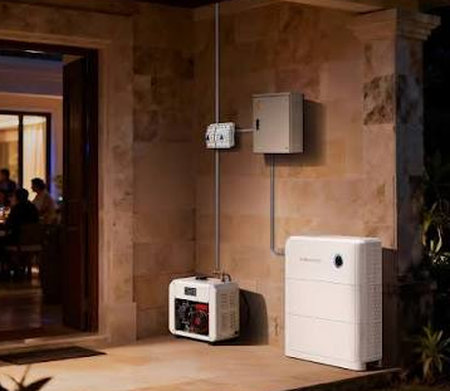
What the switch has to do well
A good backup switch should isolate the home quickly and coordinate with the energy system without making the homeowner babysit every circuit. The more electrified a home becomes, the more important that coordination gets.
According to NREL, residential electrification is increasing household dependence on electric loads such as heat pumps and EV charging. That means backup systems must handle more than lights and outlets. They need a plan for larger, more variable demand.
In practice, the best backup design usually combines:
- Enough battery capacity for the intended outage window
- Inverter output matched to the loads
- Transfer equipment that responds safely
- Load control that prevents overloads
- Monitoring that shows what is happening
The inverter decision still deserves attention. A shaded roof may justify microinverters. A storage-forward design may point elsewhere. But for backup, the switch is the quiet piece that decides whether the system transitions cleanly when the grid fails.
For homeowners comparing backup-ready solar proposals, a dedicated home backup switch is worth studying before choosing equipment based only on panel-level performance claims.
The smartest resilience quote is the one that explains the switch, the loads, and the battery behavior in plain English.